
Measure before you ask
A quick tape measure settles most questions about large furniture before the crew arrives. Record the width, height, and depth of each major piece, along with its weight if you know it. Note which items are solid and which come apart, such as bed frames with rails, desks with removable legs, and sectionals that split into seats. The list gives the estimator a way to plan the truck load and tells the crew what to expect at each doorway. Furniture that looks fine in the room can still fail to fit through a hallway or a stair turn, so measurements matter more than how the piece appears.
Trace the carrying route
Walk the route the crew will use and check every opening: interior doors, exterior doors, gate widths, hallway turns, and stair landings. Compare each opening with the measurements of the largest piece. If a sofa or a wardrobe clears the door but not the landing, say so in the request and ask whether it can be dismantled. For apartments, confirm the elevator size and whether a freight elevator requires a reservation. Some Tulsa buildings have service elevators with load limits and time windows, so check with the property office before moving day. Stairs add time to the job, and narrow stairs may rule out certain pieces unless they come apart.
Plan the breakdown and reassembly
Ask which items the crew can take apart and reassemble, and which need a specialist. Most bed frames, dining tables, and modular shelving break down on site with basic tools. Wardrobes, murphy beds, and built-ins may be a different story, and some pieces, such as pianos or heavy gym equipment, need trained movers with the right gear. Write the plan into the request: which pieces get dismantled, where the hardware goes, and what the crew reconnects at the destination. Label each group of parts so reassembly matches the original piece.
Protect the path
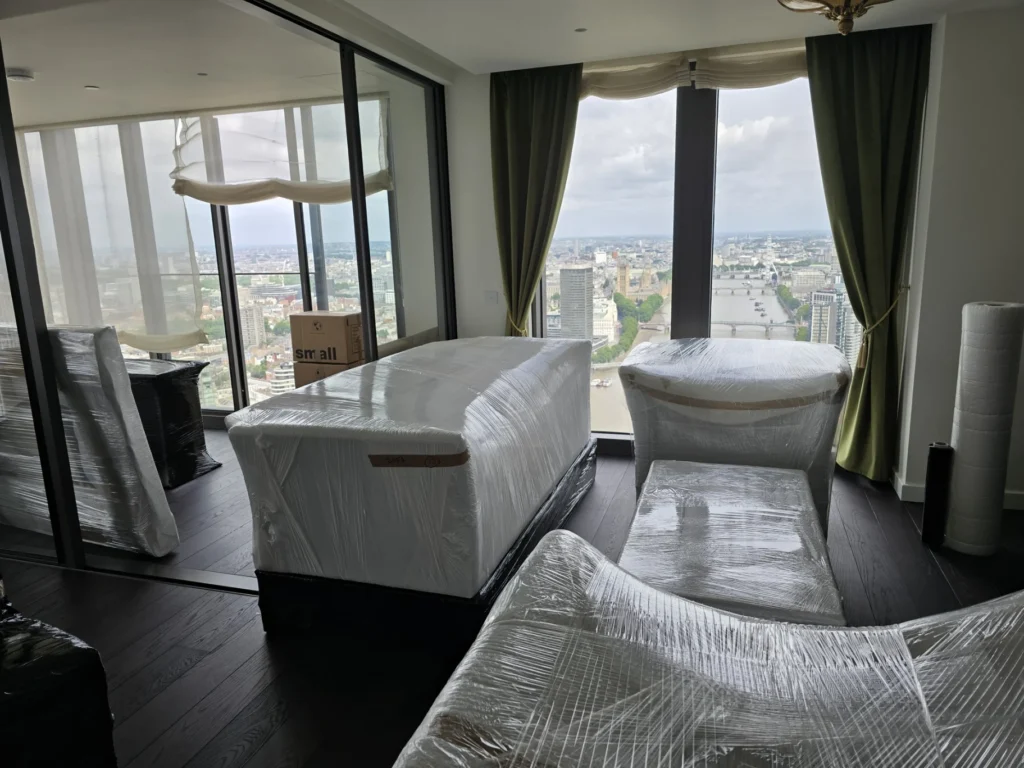
Mention flooring, wall corners, and door frames in the request so the crew brings the right padding and floor protection. Tile, hardwood, and carpet each need different care, and a long carry over grass or gravel adds dust and grit to the load. Tell the crew about fragile panels, glass tops, and mirrors attached to furniture. A note in the request about each delicate surface helps the team wrap and pad the piece correctly. If a large item is being stored before delivery, ask how it will be protected during the wait.
Ask early, not on moving day
Send Miller Mover photos of the largest pieces with the measurements and the route notes, and ask the estimator to confirm the plan. Early answers about elevator size, stair turns, and breakdown options keep the moving day from stalling at the door. Check the destination too: door widths and entry paths at the new home may differ from the old ones. The more the crew knows about the furniture and the route, the less time they spend measuring on the job and the safer each piece travels.
